

From the team led by Steve Randall, director and lead installerUpdated 26 August 2026
AI overview
To choose a commercial EV charger, start with how long the vehicle sits still, not peak output. AC chargers, the common kind that charge a car over several hours, suit anything parked for hours. DC fast chargers suit short turnarounds and cost much more. The software matters as much as the hardware, because it checks who is charging, bills them and reports on use, and local support matters once the site has been running for a while.
Key highlights
- Dwell time picks the charger, not the spec sheet
- AC for anything parked for hours, DC for short turnarounds
- Software decides whether charging can be billed and reported
- Authentication is what stops a bay becoming a public power point
- Locally supported hardware beats a better spec with no one to call
- Design for the bays you will want, not only the ones you need now
Start with dwell time
Before comparing any two chargers, answer one question: how long is the vehicle standing still?
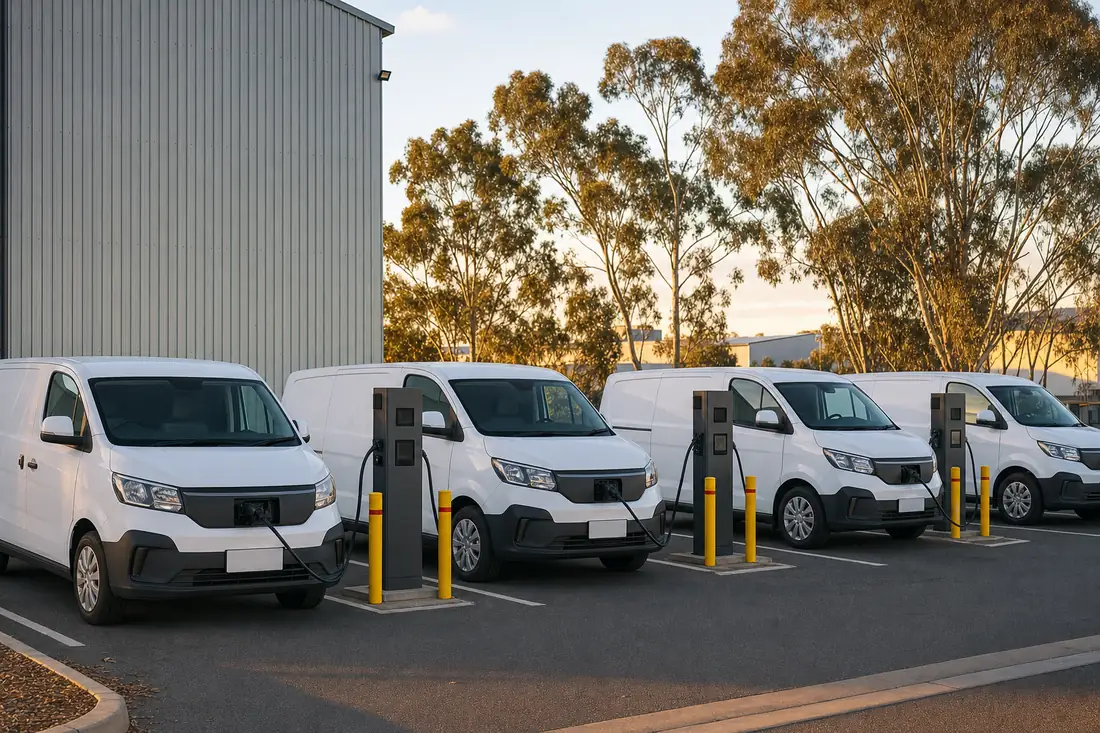
If a car sits in a staff carpark for nine hours, almost any AC charger will do the job. If a vehicle has only 90 minutes between runs at a depot, AC can't put enough back, and you will need DC charging even though it costs more.
AC or DC Charging
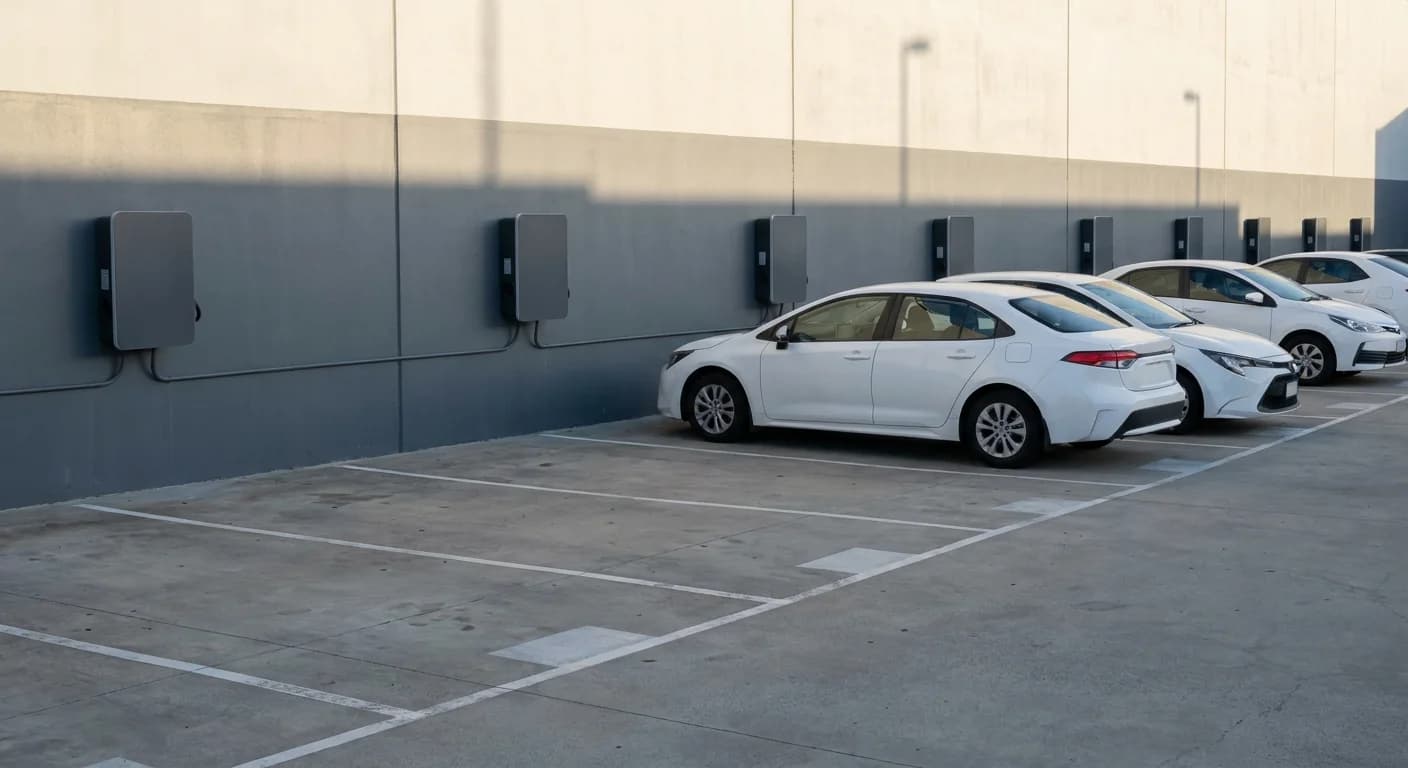
AC chargers are simple and cheap, and for a vehicle parked for hours the slower speed rarely matters. DC chargers are fast, but they are expensive, physically large and take longer to arrive. If you are choosing for a fleet, our AC vs DC fleet charging guide compares 12 take-home cars we fitted with DC charging against 12 delivery vans that suit AC.
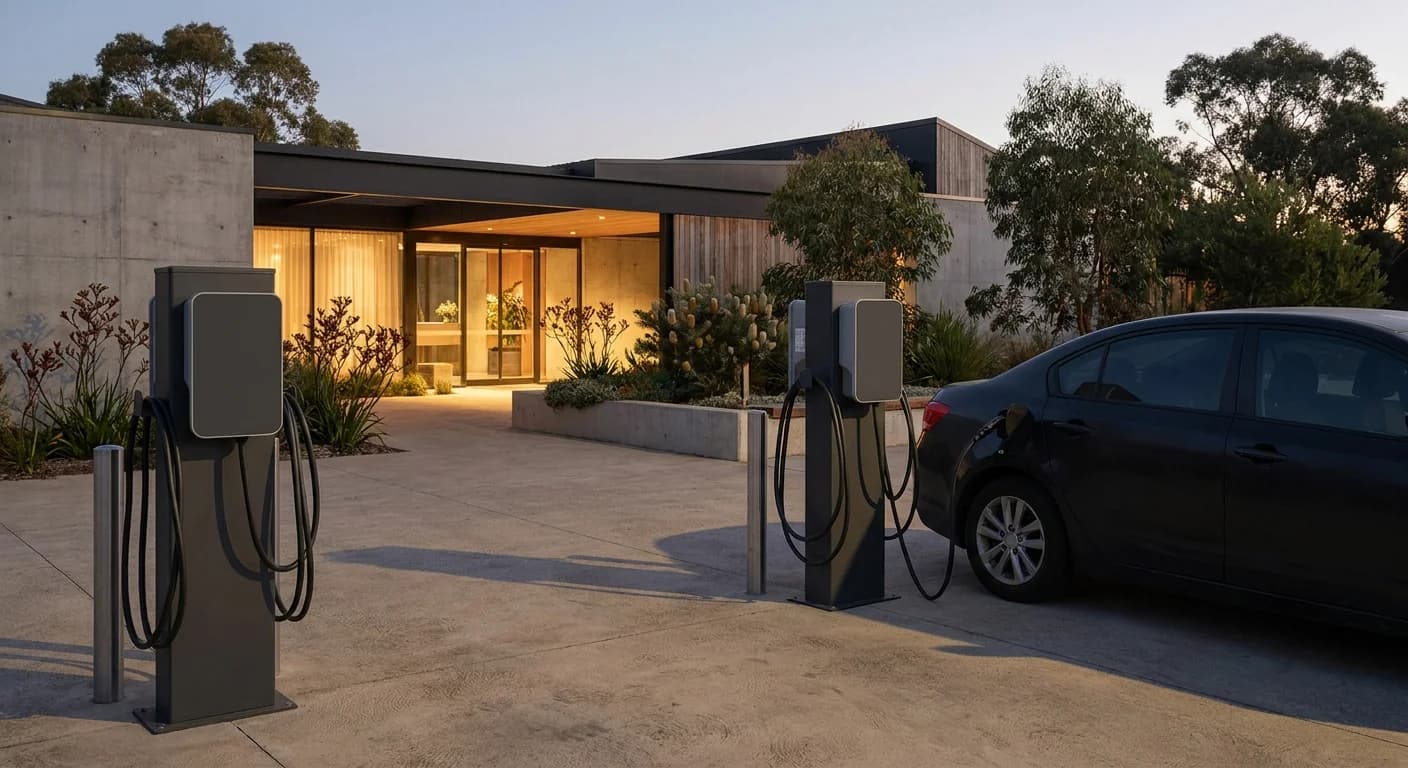
- AC 7kW: a single bay where a vehicle sits all day or overnight
- AC 22kW: shared bays where several vehicles cycle through
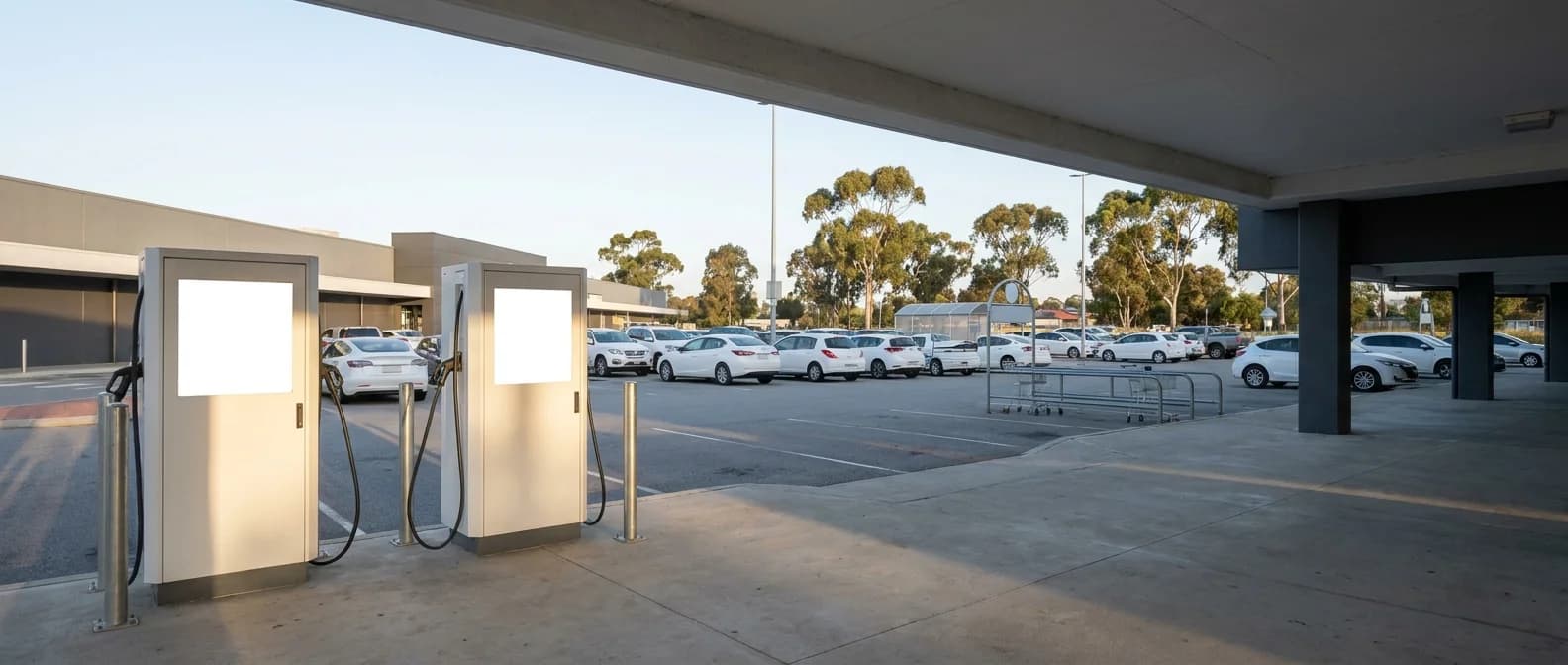
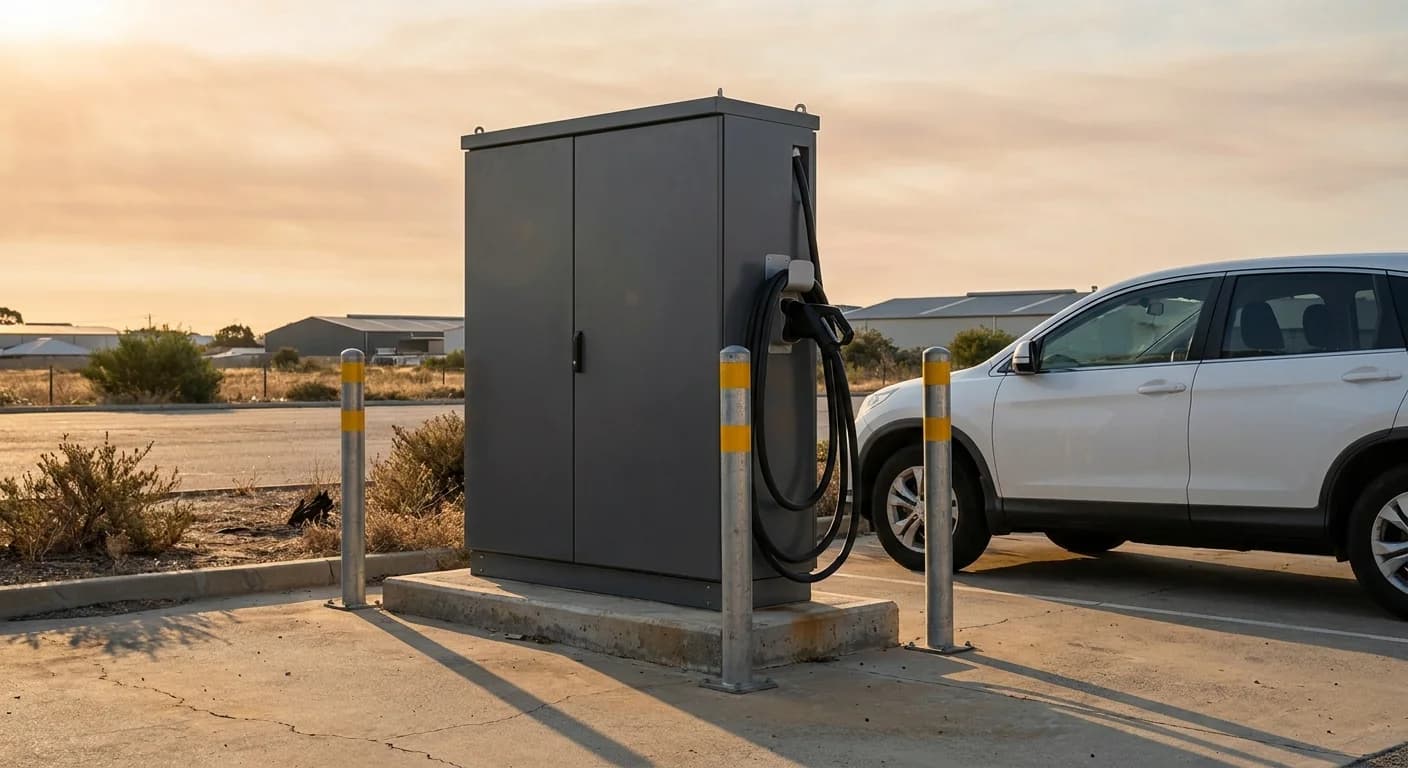
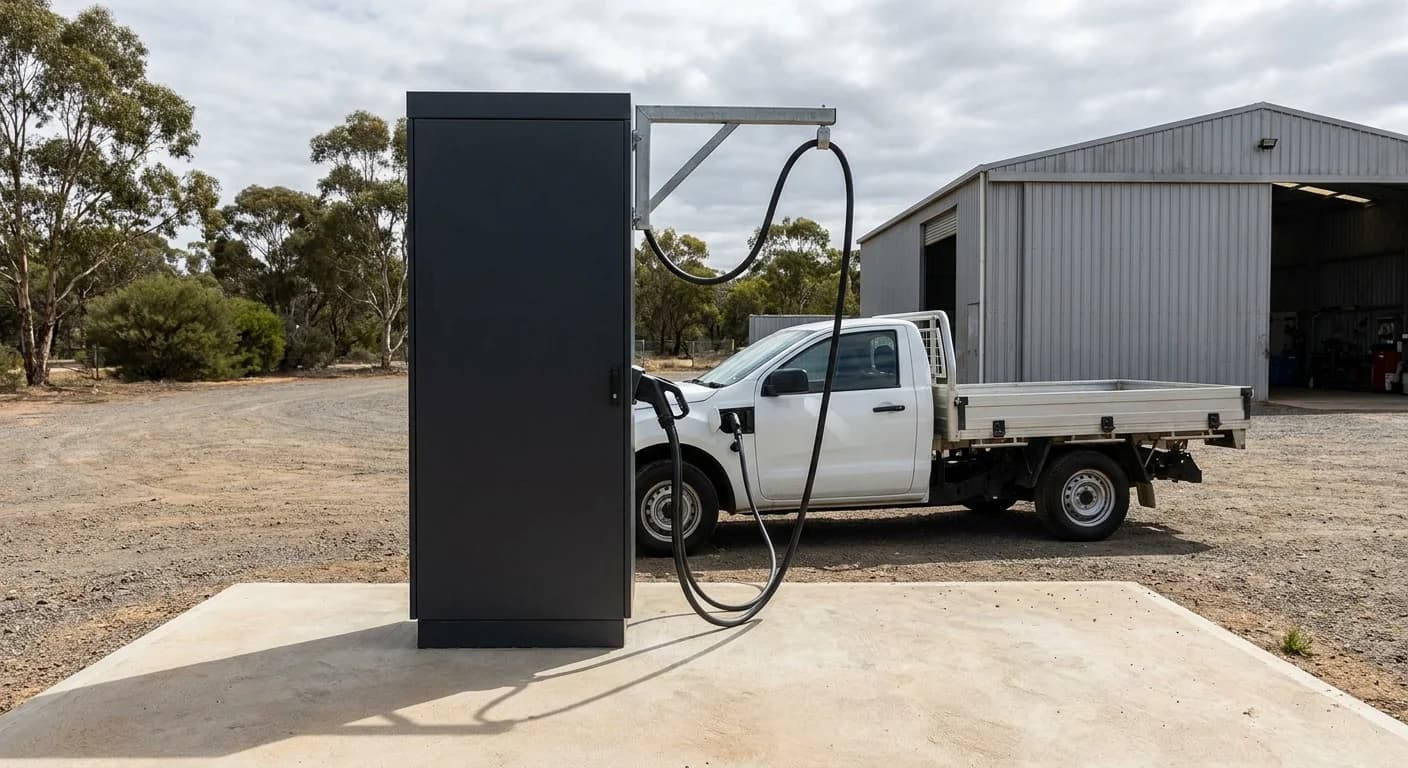
- DC: public sites, and depots where vehicles have to turn around quickly
- Mixed: AC for the vehicles that park for hours, and one DC unit for the ones that need a quick top-up, which suits some fleets
The software is the part you live with
The hardware charges the car. The software decides whether you can tell who charged, when, how much they used, and whether anyone paid for it.
Without software that checks who is charging, a bay on a commercial site becomes a free power point for anyone passing. Without a record of each session, you can't recover the cost of staff charging or bill residents for theirs.
We install Exploren software with Ocular hardware because the two are built to work together, and Ocular is supported locally.
What the spec sheet does not tell you
A spec sheet doesn't tell you about support or about room to grow, and both matter later.
The first is support. A charger with a slightly better spec and no local support is worse than a plainer unit that someone in Perth can come out and fix. Ask who fixes it and where they are.
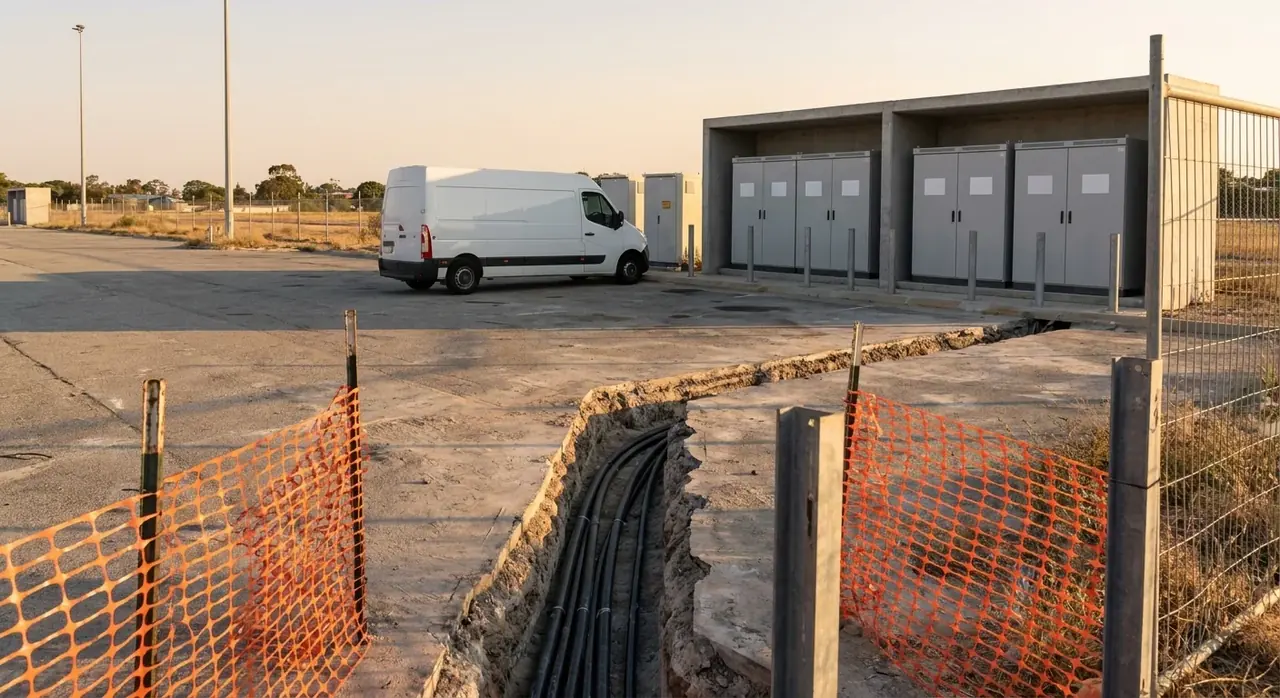
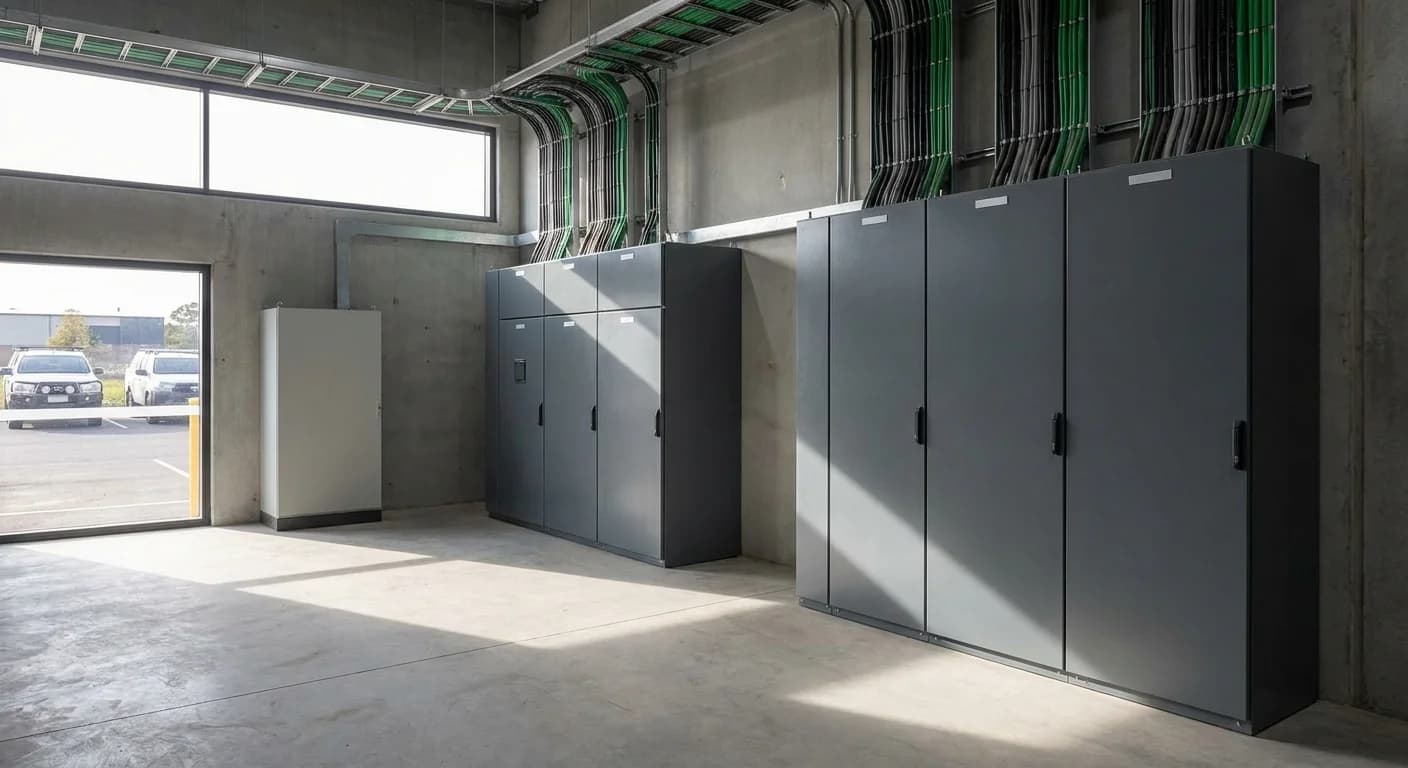
The second is expandability. A site that puts in the backbone now, the main cable run that feeds the charging bays, can add bays cheaply for years. A site that only solves today's need ends up paying for the digging and concrete work twice.
Who leads our team
Steve Randall, director and lead installer
Steve is an electrician and the director of Charging WA, the company behind Commercial EV Charging Perth. He has installed EV chargers across WA for over 10 years.
More about Steve